



Introduction
Contracts are at the center of business relationships, defining expectations, responsibilities, deliverables, timelines, and risk allocation between parties. For business professionals, understanding how contracts are created, managed, monitored, and closed is essential for maintaining strong commercial relationships and protecting organizational interests. Introduction to Contract Management provides a practical overview of the contract lifecycle, helping participants understand the processes, documentation, and controls needed to manage contracts effectively from initiation to completion. The course is designed for professionals who support, review, administer, or oversee contracts in a business setting.
Course Objectives
- Understand the purpose and value of contract management in business
- Learn the key stages of the contract lifecycle
- Build confidence in managing contract documents and obligations
- Improve ability to monitor performance, deadlines, and deliverables
- Strengthen awareness of risks associated with poor contract management
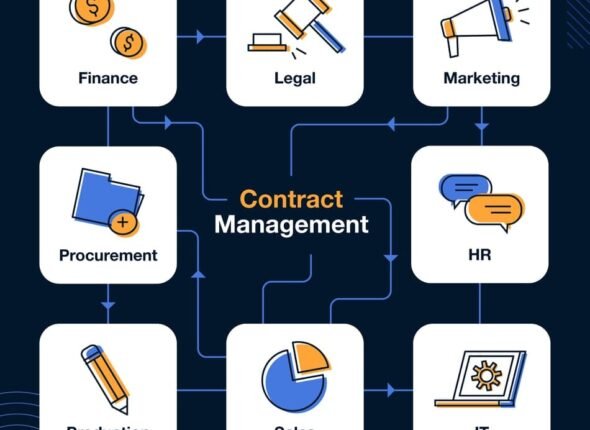
- Support better coordination between business, legal, procurement, and vendors
Target Audience
- Business professionals involved in contract-related activities
- Procurement and purchasing staff managing supplier agreements
- Project coordinators and administrators supporting contract execution
- Supervisors and managers overseeing vendor or client commitments
- Entrepreneurs and business owners managing service agreements
- Non-legal staff needing practical contract management knowledge
Course Outline
- 5 Sections
- 0 Lessons
- 5 Days
Expand all sectionsCollapse all sections
- Day 1: Understanding Contract Management• What contract management means in a business context
• The importance of contracts in commercial relationships
• Roles and responsibilities in managing contracts
• Overview of the contract lifecycle
• Practical session: Mapping the stages of a basic contract lifecycle0 - Day 2: Contract Formation and Documentation• How contracts are initiated and developed
• Key contract documents and supporting records
• Understanding scope, deliverables, timelines, and pricing
• Approvals, authority, and recordkeeping requirements
• Workshop: Reviewing a contract file for completeness and clarity0 - Day 3: Contract Execution and Performance Monitoring• Managing signed contracts and implementation activities
• Tracking milestones, obligations, and service levels
• Monitoring supplier, vendor, or partner performance
• Managing communication during contract execution
• Practical activity: Creating a simple contract monitoring checklist0 - Day 4: Risk, Compliance, and Change Management• Identifying contract risks during performance
• Ensuring compliance with terms and internal policies
• Managing amendments, renewals, and variations
• Handling delays, disputes, and non-performance issues
• Case study: Responding to a contract performance problem0 - Day 5: Closing, Renewal, and Continuous Improvement• Contract closeout and completion procedures
• Evaluating contract outcomes and lessons learned
• Managing renewals, extensions, and terminations
• Improving contract administration practices over time
• Final exercise: Developing a contract management action plan0
Instructor

 Lessons: