



Introduction
Business relationships rarely remain static after a contract is signed. Scope changes, pricing revisions, timeline adjustments, regulatory requirements, and operational developments often require contracts to be modified. If changes are not handled properly, organizations may face disputes, unauthorized commitments, budget overruns, and compliance problems. Managing Contract Changes and Amendments provides practical guidance on how to identify, evaluate, document, approve, and implement contract changes effectively. The course helps professionals ensure that contract amendments are controlled, transparent, and aligned with business objectives.
Course Objectives
- Understand why contract changes arise during implementation
- Learn how to manage amendments and variations in a controlled way
- Build confidence in documenting, reviewing, and approving changes
- Recognize the risks of informal or poorly handled contract modifications
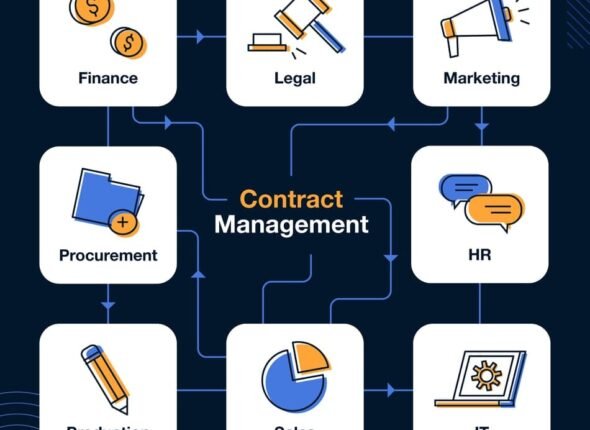
- Improve coordination between business, legal, procurement, and finance teams
- Support better control over scope, cost, time, and contractual obligations
Target Audience
- Contract administrators and managers
- Procurement and sourcing professionals
- Project managers handling scope and delivery changes
- Operations staff involved in contract implementation
- Supervisors approving business changes and commitments
- Non-legal professionals managing contract updates in practice
Course Outline
- 5 Sections
- 0 Lessons
- 5 Days
Expand all sectionsCollapse all sections
- Day 1: Understanding Contract Change Management• Why contract changes happen in business relationships
• Common types of amendments, variations, and modifications
• The difference between formal and informal changes
• Risks created by weak change control
• Practical session: Identifying contract changes in real business scenarios0 - Day 2: Evaluating Proposed Changes• Assessing business need, impact, and feasibility
• Reviewing legal, financial, and operational consequences
• Checking authority, approvals, and supporting documentation
• Considering risk before accepting a proposed change
• Workshop: Evaluating a change request against contract terms0 - Day 3: Documenting and Approving Amendments• Drafting amendment language clearly and accurately
• Recording revised obligations, timelines, and pricing
• Managing version control and contract records
• Ensuring proper sign-off and governance
• Practical activity: Preparing a simple contract amendment document0 - Day 4: Implementing Changes in Practice• Communicating approved changes to stakeholders
• Updating tracking tools, budgets, and obligations
• Managing supplier or client expectations after amendment
• Handling disputes over unapproved or unclear changes
• Case study: How informal changes created major contract problems0 - Day 5: Improving Change Control Discipline• Building stronger amendment workflows and checklists
• Aligning contract change processes with project controls
• Preventing unauthorized commitments and misunderstandings
• Creating a practical contract change management plan
• Final exercise: Designing a contract amendment control process0
Instructor

 Lessons: